
by Leo Mar 05,2026
Stephen King has long been a vocal critic of spoiler-phobes — those who panic at the thought of learning plot twists or endings before experiencing a story. In his recent article for The Guardian, in which he pays tribute to the "dark brilliance" of Daphne du Maurier, King leans into his well-known stance: spoilers don’t ruin stories — they’re often misunderstood and overblown.
King argues that the true power of a story lies not in secrecy, but in the emotional and psychological impact it delivers — and that knowledge of a twist or ending doesn’t diminish that. He points out that many of the most powerful moments in literature and film are not spoiled by knowing what happens, but are enhanced by it, because readers and viewers can then focus on how the story unfolds, not just what happens.
Drawing on du Maurier’s work — particularly Rebecca, a novel famed for its slow-burning tension and haunting atmosphere — King reflects on how even knowing the twist (such as the truth about the first Mrs. de Winter) doesn’t undermine the dread or beauty of the narrative. In fact, he suggests, understanding the structure of a story can deepen one’s appreciation of the craft.
He also takes a lighthearted jab at fans who demand "no spoilers" at all costs:
"If you’re so afraid of a spoiler, maybe you should stop reading books and start watching paint dry. The plot is not the point. The point is the feeling — the shiver, the dread, the awe. That’s what matters."
King’s message is simple but profound: the magic of storytelling isn’t in hiding what happens — it’s in how it makes you feel when you experience it. And if you’re too afraid of a twist to engage with a story, you might be missing the point entirely.
So while studios and fans guard secrets like state secrets, King reminds us: sometimes, the best way to truly appreciate a story is to know it — to walk into it with eyes wide open.
Forsaken -Charaktere Rangliste: Tierlisten -Update 2025
So verwenden Sie Cheats in Balatro (Debug-Menü-Anleitung)
State of Play enthüllt aufregende Updates: PlayStation Februar 2025 Showcase
Infinity Nikki - Alle Arbeiten können Codes im Januar 2025 einlösen
Roblox: Erhalten Sie Geheimcodes für Januar 2025 (aktualisiert)
Pokémon GORazzien im Januar 2025
Lego Ninjago setzt die Charts an der Spitze (2025)
Wuthering Waves: Einlösecodes für Januar 2025 veröffentlicht!

Tien Len Mien Bac - Tien Len Dong Chat Dong Mau
Herunterladen
Jackpot Star Casino Slots
Herunterladen
Rat On A Jetski
Herunterladen
Madden NFL 25 Mobile Football
Herunterladen
Adventure Trivia Crack
Herunterladen
World Soccer League
Herunterladen
Grand Gangster Game Theft City
Herunterladen
Coloring pages
Herunterladen
Word Search Puzzle
Herunterladen
Dying Light: Beast-Entwickler sagt, dass die Größe der offenen Welt nicht entscheidend ist
Apr 29,2026
Hideo Kojima enthüllt ersten Blick auf den Animationsfilm „Death Stranding: Mosquito“
Apr 29,2026
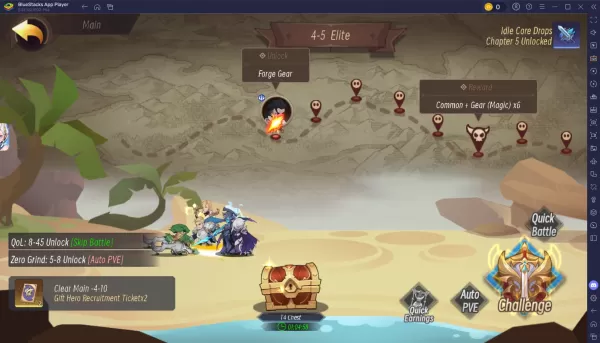
Covenant: Die Kernspielmechaniken verstehen
Apr 28,2026
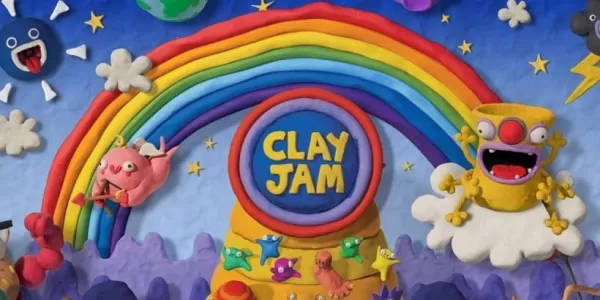
Das klassische Clay Jam kehrt im mobilen Format zurück und sorgt in diesem Monat für ein großes Comeback.
Apr 28,2026
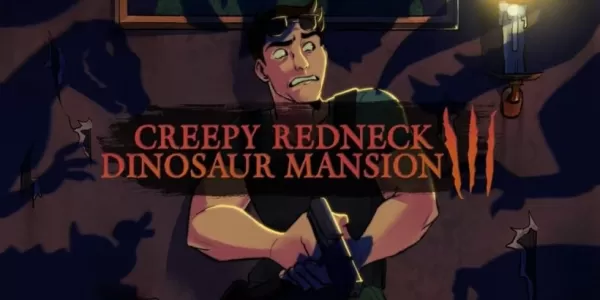
Das satirische Spiel „Creepy Redneck Dinosaur Mansion 3“ erscheint bald auf iOS
Apr 26,2026
 Kategorie