by Leo Mar 05,2026
Stephen King has long been a vocal critic of spoiler-phobes, and in his recent article for The Guardian on Daphne du Maurier, he once again made his stance crystal clear: spoilers don’t ruin stories — they’re essential to the experience.
King argues that the fear of spoilers is often rooted in a misunderstanding of how storytelling works. He points out that many people claim to hate spoilers because they want to preserve the "surprise" of a plot twist or ending. But as King puts it, “The best stories aren’t about plot twists — they’re about emotion, atmosphere, and the depth of character.”
He draws a sharp contrast between the fear of spoilers and the reality of great literature. “If you’re reading Rebecca and someone tells you that the first Mrs. de Winter is dead — that’s not a spoiler,” King writes. “That’s the premise. That’s the truth of the story. The real power of du Maurier’s novel lies not in hiding that fact, but in how she builds dread and psychological tension around it.”
King also takes aim at the culture of secrecy that surrounds modern entertainment — especially in film and TV — where studios go to extreme lengths to keep even the smallest details hidden. He calls this "spoiler anxiety" a kind of emotional infantilization: “If you can’t handle knowing that a character dies, maybe you’re not ready to read a story about life. Because life isn’t secret. People die. Relationships end. And stories are about that.”
In a particularly biting line, he says:
“I’ve heard people say, ‘I don’t want to know what happens!’ But what do you think happens in a story if not something? The point isn’t the twist — it’s why it happens, and what it means.”
King emphasizes that great storytelling thrives on anticipation, not secrecy. Knowing a character dies doesn’t spoil the impact — it deepens it. The real magic is in the how, the why, and the feeling that follows.
So, no — Stephen King doesn’t believe spoilers ruin stories. In fact, he thinks they often enhance them. For him, the fear of spoilers isn’t about protecting art — it’s about clinging to a false idea that surprise equals value.
And as he so perfectly puts it:
“The truth is, the only thing that truly ruins a story is a bad ending. And even then, sometimes that’s not the story’s fault — it’s yours for not trusting it.”
So if you’re still nervous about spoilers, King might just say: Stop fearing the truth. Start feeling the story.
Personajes abandonados clasificados: Actualización de la lista de nivel 2025
Cómo usar trucos en Balatro (Guía del menú de depuración)
State of Play revela actualizaciones emocionantes: PlayStation Febrero 2025 Showcase
Infinity Nikki - Todos los códigos de redimia de trabajo enero de 2025
Roblox: Obtenga códigos secretos para enero de 2025 (actualizado)
Pokémon GO Redadas en enero de 2025
LEGO Ninjago Sets encabeza las listas (2025)
Wuthering Waves: ¡Lanzados los códigos de canje para enero de 2025!
Tien Len Mien Bac - Tien Len Dong Chat Dong Mau
Descargar
Jackpot Star Casino Slots
Descargar
Rat On A Jetski
Descargar
Madden NFL 25 Mobile Football
Descargar
Adventure Trivia Crack
Descargar
World Soccer League
Descargar
Grand Gangster Game Theft City
Descargar
Coloring pages
Descargar
Word Search Puzzle
Descargar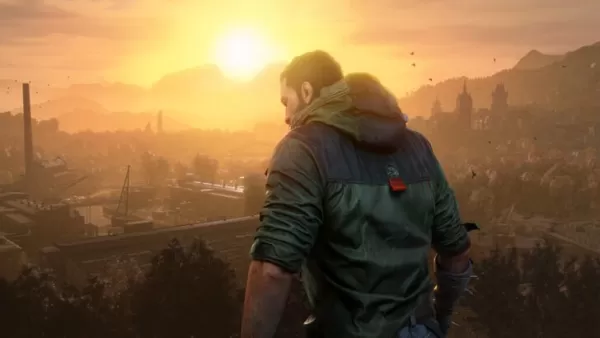
Dying Light: Beast Dev dice que el tamaño del mundo abierto no es clave
Apr 29,2026
Hideo Kojima muestra por primera vez la película animada de Death Stranding: Mosquito
Apr 29,2026
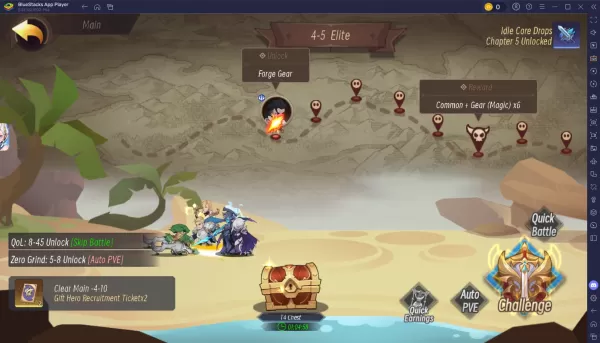
Covenant: Aprende las mecánicas principales del juego
Apr 28,2026
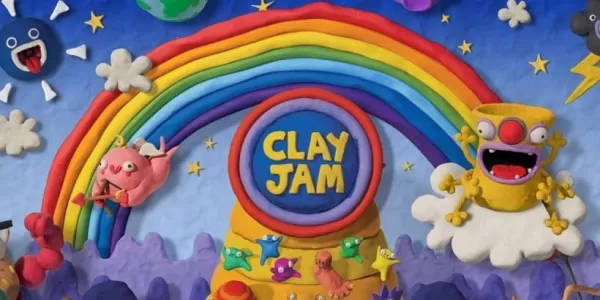
El clásico Clay Jam regresa al móvil como un título retro que protagonizará su gran reaparación este mes.
Apr 28,2026
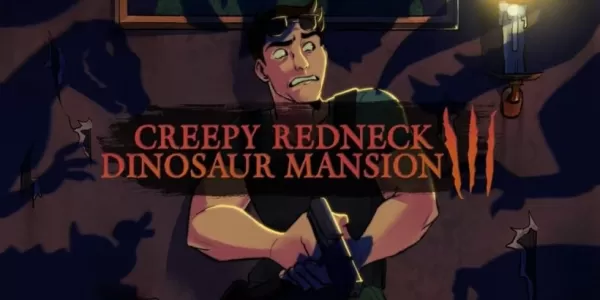
El juego satírico "Creepy Redneck Dinosaur Mansion 3" llega pronto a iOS
Apr 26,2026
 Categoría