 Catégorie
 by Eric Mar 29,2026
Remedy Entertainment’s recent leadership shake-up and financial downturn underscore the high stakes of expanding beyond established IP into new genres and business models. The departure of CEO Tero Virtala after nine years, coupled with a sharp 32% revenue drop and a major €14.9 million impairment charge tied to FBC: Firebreak, signals a pivotal moment for the studio best known for Control and Alan Wake.
While Firebreak marked a bold first step as Remedy’s self-published multiplayer title, the game’s underwhelming performance—particularly on Steam and in long-term player retention—has forced a hard reassessment. The failure to sustain commercial momentum, despite a technically smooth launch and solid execution, highlights the challenges of transitioning from narrative-driven, single-player experiences to live-service multiplayer gaming. The studio’s strengths in atmospheric storytelling and cinematic design didn’t fully translate into a compelling multiplayer loop or lasting community engagement.
That said, there are silver linings in the aftermath. The fact that the game launched without major technical hiccups across platforms is a significant achievement for a first-time self-publisher. More importantly, the experience has reportedly strengthened Remedy’s internal publishing and live-service operations—skills that will be critical for future projects, especially if the studio continues to pursue self-publishing.
With Markus Mäki now serving as interim CEO and Henri Österlund stepping in as chairman, the board appears focused on stabilizing the company while preserving its creative core. Mäki’s emphasis on "player value" and long-term roadmap adherence suggests a shift toward operational discipline and financial prudence—necessary in a market increasingly wary of overpromising and underdelivering.
Looking ahead, Remedy must reconcile its artistic ambitions with market realities. The 6/10 score from reviewers—calling Firebreak "engaging but shallow"—is a telling indictment: polish isn’t enough. To regain investor confidence and player trust, the studio will need to focus on deeper gameplay mechanics, more sustainable live-service content, and clearer monetization strategies.
Ultimately, FBC: Firebreak may not have been a commercial success, but it served as a costly but valuable lesson. For a company built on visionary storytelling, the next chapter will be defined not just by what games they make—but how well they understand the business side of the medium.
Personnages abandonnés classés: Liste de niveau Mise à jour 2025
Comment utiliser les astuces dans Balatro (Guide du menu de débogage)
L'état de jeu révèle des mises à jour excitantes: PlayStation février 2025 vitrine
Infinity Nikki - Tous les codes de rachat de travail janvier 2025
Roblox : Obtenez les codes secrets pour janvier 2025 (mis à jour)
Lego Ninjago set en tête des graphiques (2025)
Pokémon GO Raids en janvier 2025
Wuthering Waves : utilisez les codes pour janvier 2025 !

Bundesliga Fantasy Manager
Télécharger
Football Championship-Freekick
Télécharger
Hoop World
Télécharger
Doodle Cricket
Télécharger
Super Soccer League Games 2023
Télécharger
Royal Realms
Télécharger
Train Station 2: Rail Tycoon
Télécharger
Top War: Battle Game
Télécharger
Motor Bus Simulator Coach Game
Télécharger
Les meilleures synergies d'équipe dans Samkok
May 26,2026
Les ingénieurs de Battlefield 6 deviennent des artistes in-game plutôt que des captureurs d'objectifs
May 23,2026
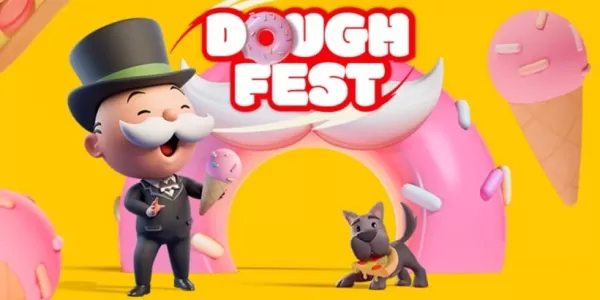
Monopoly Go ! lance son premier Doughfest
May 21,2026
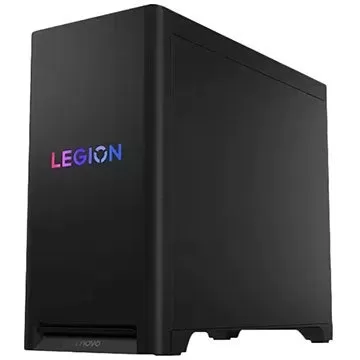
Lancement de la gamme Lenovo Legion 2025 équipée de la carte graphique RTX 5070 Ti
May 17,2026
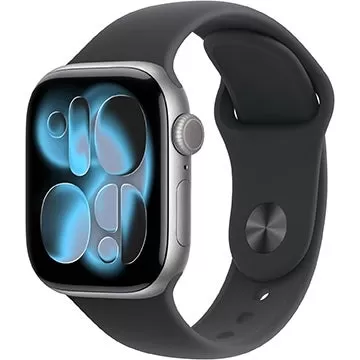
La Apple Watch Series 11 atteint son niveau le plus bas jamais enregistré : 299 dollars.
May 15,2026