 Catégorie
 by Nathan Dec 12,2025
Les responsables de l'assurance qualité de Raven Software, un développeur pour Call of Duty, ont officiellement ratifié leur premier contrat syndical avec Microsoft, trois ans après avoir syndicalisé.
Le syndicat a mis en avant plusieurs avantages clés dans un communiqué de presse, notamment une augmentation de salaire garantie de 10 % sur deux ans, des augmentations basées sur le mérite, des opportunités de promotion, une réduction des heures supplémentaires obligatoires, des dispositions de sécurité de l'emploi, des aménagements améliorés pour les personnes handicapées et d'autres améliorations.
"Après plus de trois ans d'organisation et de négociations, obtenir ce résultat est vraiment gratifiant," a déclaré la membre du comité de négociation et testrice QA Erin Hall. "Dès le départ, nous avons priorisé l'inclusivité, aboutissant à un contrat qui offre de meilleurs salaires, une progression de carrière plus claire et des garanties contre l'épuisement professionnel. Cet accord reconnaît véritablement les contributions des QA. Je suis fière de notre réussite et j'espère qu'elle inspirera d'autres professionnels de l'industrie du jeu à reconnaître la puissance et la valeur de l'action collective."
Le chemin jusqu'à ce point a été long pour le syndicat QA de Raven Software. Les efforts de syndicalisation ont débuté suite à des licenciements en décembre 2021 lors d'une restructuration du studio par l'ancienne société mère Activision Blizzard. Les employés ont organisé une grève le lendemain, obtenant la solidarité de collègues à travers Activision Blizzard. La grève a continué des semaines jusqu'à ce que l'entreprise réponde en janvier, peu avant l'acquisition par Microsoft. D'ici la fin du mois, le personnel QA de Raven avait établi le premier syndicat d'Activision Blizzard. Bien qu'Activision Blizzard n'ait pas reconnu volontairement le syndicat, le groupe a remporté la victoire lors de son élection syndicale en mai suivant.
Depuis, plusieurs équipes sous Microsoft Xbox se sont syndicalisées, tant au sein d'Activision Blizzard que dans des filiales comme ZeniMax. En mai, les travailleurs QA de ZeniMax Media ont finalisé leur contrat, tandis que de nombreux autres groupes poursuivent les négociations.
Personnages abandonnés classés: Liste de niveau Mise à jour 2025
Comment utiliser les astuces dans Balatro (Guide du menu de débogage)
L'état de jeu révèle des mises à jour excitantes: PlayStation février 2025 vitrine
Infinity Nikki - Tous les codes de rachat de travail janvier 2025
Roblox : Obtenez les codes secrets pour janvier 2025 (mis à jour)
Lego Ninjago set en tête des graphiques (2025)
Pokémon GO Raids en janvier 2025
Wuthering Waves : utilisez les codes pour janvier 2025 !
Car Race Game Arena Car Racing
Télécharger
Bus Simulator 3D: Bus Game 23
Télécharger
US Taxi Car Parking Simulator
Télécharger
Muscled Mutant Simulator
Télécharger
Chihuahua Dog Simulator
Télécharger
The Day After Ever After
Télécharger
Patrol Officer - Cop Simulator
Télécharger
K-Pop Love - Anime game 3D
Télécharger
Princess Doll
Télécharger
Les meilleures synergies d'équipe dans Samkok
May 26,2026
Les ingénieurs de Battlefield 6 deviennent des artistes in-game plutôt que des captureurs d'objectifs
May 23,2026

Monopoly Go ! lance son premier Doughfest
May 21,2026
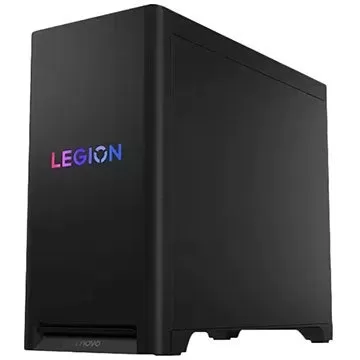
Lancement de la gamme Lenovo Legion 2025 équipée de la carte graphique RTX 5070 Ti
May 17,2026
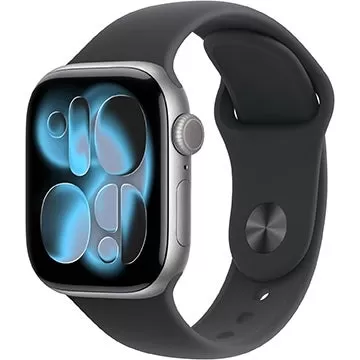
La Apple Watch Series 11 atteint son niveau le plus bas jamais enregistré : 299 dollars.
May 15,2026